
Table of Contents:
The Role of Plagiarism Posters in Educational Campaigns
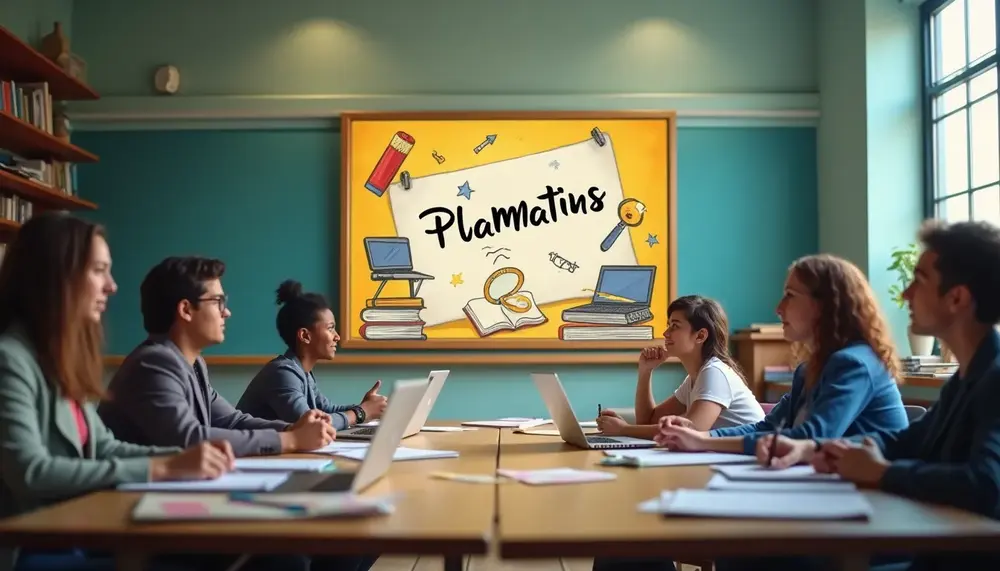
The role of plagiarism posters in educational campaigns is pivotal in fostering a culture of academic integrity among students. These visual aids serve as constant reminders of the importance of originality and the ethical implications of plagiarism. By integrating plagiarism posters into classrooms, educators can effectively communicate key messages about proper citation practices, the consequences of academic dishonesty, and the value of intellectual property.
One of the primary functions of these posters is to raise awareness. They can highlight common misconceptions about plagiarism, such as the belief that paraphrasing does not require citation. By clearly outlining what constitutes plagiarism, these materials help students understand the boundaries of acceptable academic work.
Moreover, plagiarism posters can be tailored to different educational levels, making them versatile tools for various age groups. For younger students, colorful graphics and simple language can engage their interest, while high school and college students may benefit from more detailed information about citation styles and the repercussions of plagiarism in their academic and professional lives.
Incorporating these posters into educational campaigns can also enhance the learning environment. They encourage discussions about ethics and responsibility, prompting students to reflect on their own writing practices. When students see these reminders regularly, they are more likely to internalize the principles of academic honesty.
Additionally, the effectiveness of plagiarism posters can be amplified by combining them with interactive activities. For instance, educators can organize workshops where students create their own posters or engage in peer-review sessions to discuss plagiarism and its avoidance. This hands-on approach not only reinforces the message but also fosters collaboration and critical thinking among students.
In conclusion, plagiarism posters are essential tools in educational campaigns aimed at promoting academic integrity. They not only inform students about the importance of originality but also encourage a culture of honesty and responsibility in academic work. By utilizing these resources, educators can significantly impact students' understanding of plagiarism and help them develop lifelong skills in ethical writing.
Raising Awareness About Plagiarism
Raising awareness about plagiarism is crucial in educational settings, as it directly impacts students' understanding of academic integrity. Effective awareness campaigns can significantly reduce instances of plagiarism by informing students about what constitutes plagiarism and the consequences of engaging in such practices.
One effective method to raise awareness is through the use of plagiarism posters. These posters can be strategically placed around classrooms and hallways, serving as constant reminders of the importance of originality. They can include:
- Definitions of Plagiarism: Clear explanations of what plagiarism is, including examples of common mistakes.
- Consequences: Information on the academic and disciplinary repercussions of plagiarism, which can deter students from dishonest practices.
- Best Practices: Tips on how to properly cite sources and paraphrase effectively, empowering students to produce original work.
Additionally, integrating interactive elements into awareness campaigns can enhance engagement. For instance, educators can host workshops where students discuss the implications of plagiarism and share their experiences. This not only reinforces the message but also fosters a collaborative learning environment.
Moreover, leveraging digital platforms can broaden the reach of plagiarism awareness initiatives. Online resources, such as infographics and videos, can complement physical posters, making the information accessible to a wider audience. Social media campaigns can also be utilized to share tips and resources, encouraging students to think critically about their writing practices.
In conclusion, raising awareness about plagiarism through various methods, including posters and interactive discussions, is essential in fostering a culture of academic integrity. By equipping students with the knowledge and tools to avoid plagiarism, educational institutions can promote originality and ethical scholarship.
Advantages and Disadvantages of Plagiarism Posters in Education
| Pros | Cons |
|---|---|
| Raises awareness of plagiarism and academic integrity. | May be overlooked or ignored by students. |
| Encourages discussions about ethics in academic work. | Content may become outdated if not regularly updated. |
| Provides visual reinforcement of proper citation practices. | Some students may find the information unengaging. |
| Fosters a culture of originality and accountability among students. | Limited effectiveness without accompanying educational activities. |
| Accessible resource for diverse learning styles. | Requires continuous effort to maintain relevance and effectiveness. |
Visual Learning Tools for Students
Visual learning tools play a significant role in enhancing students' understanding of plagiarism and academic integrity. These tools cater to various learning styles, making complex concepts more accessible and engaging. Here are some effective visual learning tools that can be utilized in educational settings:
- Infographics: Infographics present information in a visually appealing format, combining graphics and text to convey key messages about plagiarism. They can illustrate statistics, common misconceptions, and best practices for avoiding plagiarism.
- Videos: Short educational videos can effectively demonstrate the consequences of plagiarism and the importance of proper citation. These videos can include testimonials from educators and students, making the topic more relatable.
- Interactive Presentations: Tools like Prezi or Google Slides allow educators to create dynamic presentations that engage students. Incorporating quizzes or polls within these presentations can further enhance interaction and retention of information.
- Digital Posters: Similar to traditional posters, digital posters can be displayed on school websites or shared on social media platforms. They can reach a broader audience and serve as constant reminders of plagiarism policies and practices.
- Graphic Organizers: These tools help students visually map out their thoughts and ideas, making it easier to understand how to paraphrase and cite sources correctly. They can include flowcharts or mind maps that outline the steps in the writing process.
By integrating these visual learning tools into the curriculum, educators can create a more engaging and informative environment. This approach not only enhances students' comprehension of plagiarism but also encourages them to take ownership of their academic work. Ultimately, visual learning tools serve as essential resources in promoting a culture of integrity and originality within educational institutions.
Engaging Students with Creative Approaches
Engaging students with creative approaches is essential for effectively teaching the principles of plagiarism and academic integrity. By utilizing innovative methods, educators can capture students' attention and foster a deeper understanding of these critical concepts. Here are some creative strategies to engage students:
- Artistic Expression: Encourage students to express their understanding of plagiarism through art. This could involve creating posters, digital illustrations, or even short films that depict the consequences of plagiarism and the importance of originality. Such projects not only enhance creativity but also allow students to internalize the message.
- Role-Playing Activities: Organize role-playing scenarios where students act out situations involving plagiarism. This interactive approach helps them understand the ethical dilemmas and consequences involved, making the topic more relatable and memorable.
- Gamification: Incorporate game elements into lessons about plagiarism. For instance, educators can create quizzes or competitions where students earn points for correctly identifying examples of plagiarism or for demonstrating proper citation techniques. This approach makes learning fun and competitive.
- Peer Teaching: Allow students to take the lead in teaching their peers about plagiarism. By preparing presentations or workshops, they reinforce their own understanding while developing communication skills. This method also fosters a collaborative learning environment.
- Interactive Workshops: Host workshops that focus on practical skills, such as paraphrasing and citation. These sessions can include hands-on activities where students practice these skills in real-time, receiving immediate feedback from peers and instructors.
By implementing these creative approaches, educators can create a dynamic learning environment that not only informs students about plagiarism but also inspires them to value originality and integrity in their academic work. Engaging students in this way encourages them to take ownership of their learning and fosters a culture of honesty within educational institutions.
Effective Strategies for Teaching Academic Integrity
Teaching academic integrity effectively requires a multifaceted approach that combines clear communication, practical tools, and engaging activities. Here are some effective strategies that educators can implement to instill the values of honesty and originality in their students:
- Integrate Academic Integrity into the Curriculum: Make discussions about plagiarism and academic integrity a regular part of the curriculum. This can include dedicated lessons on citation styles, the importance of original work, and the ethical implications of plagiarism. By embedding these topics into various subjects, students will see their relevance across disciplines.
- Use Real-World Examples: Share case studies or news articles that highlight the consequences of plagiarism in professional contexts. Discussing high-profile cases can help students understand the seriousness of academic dishonesty and its impact on careers and reputations.
- Encourage Open Dialogue: Create an environment where students feel comfortable discussing their concerns about plagiarism and academic integrity. Encourage questions and provide clear answers to common misconceptions. This openness can help demystify the topic and reduce anxiety around writing and citation.
- Provide Resources and Tools: Equip students with access to resources that can help them avoid plagiarism. This includes guides on proper citation, tools for paraphrasing, and software that detects plagiarism. Familiarizing students with these tools empowers them to take responsibility for their work.
- Promote Collaborative Learning: Encourage group projects where students can work together to research and write. This collaboration allows them to share ideas and learn from one another, fostering a sense of community and accountability regarding academic integrity.
- Implement Reflective Practices: Ask students to reflect on their writing processes and the importance of originality. This could involve journaling about their experiences with research and writing or discussing how they plan to ensure their work is authentic.
By employing these strategies, educators can create a comprehensive framework for teaching academic integrity. This not only helps students understand the importance of avoiding plagiarism but also cultivates a culture of respect for intellectual property and ethical scholarship.
Utilizing Digital Platforms for Plagiarism Education
Utilizing digital platforms for plagiarism education offers a dynamic way to engage students and enhance their understanding of academic integrity. These platforms provide various tools and resources that can make learning about plagiarism more accessible and interactive.
One effective approach is to leverage online learning management systems (LMS) such as Google Classroom or Moodle. These platforms allow educators to share resources, assign readings, and facilitate discussions on plagiarism. By creating dedicated modules focused on academic integrity, teachers can ensure that students have easy access to essential information and guidelines.
Additionally, incorporating multimedia resources can enrich the learning experience. For instance, educators can use video tutorials that explain plagiarism concepts and demonstrate proper citation practices. Websites like YouTube host numerous educational channels that focus on writing skills and academic honesty, providing students with visual and auditory learning opportunities.
Social media can also play a role in raising awareness about plagiarism. Educators can create dedicated pages or groups on platforms like Facebook or Instagram to share tips, infographics, and articles related to academic integrity. This not only reaches a broader audience but also encourages students to engage with the material in a familiar environment.
Moreover, interactive tools such as quizzes and games can be integrated into digital platforms to assess students' understanding of plagiarism. Websites like Kahoot! or Quizizz allow educators to create fun and engaging quizzes that reinforce learning while providing immediate feedback.
Finally, utilizing plagiarism detection software, such as Turnitin or Grammarly, can help students learn to identify and avoid plagiarism in their own work. By submitting drafts through these platforms, students receive constructive feedback on their writing, which can guide them in improving their citation practices and overall writing skills.
In summary, digital platforms offer a wealth of opportunities for teaching plagiarism education. By integrating these tools into the curriculum, educators can create a more engaging and effective learning environment that empowers students to uphold academic integrity.
Incorporating Plagiarism Posters in Curriculum
Incorporating plagiarism posters into the curriculum is a strategic approach to enhance students' understanding of academic integrity. These posters serve as visual reminders that can reinforce lessons and provide ongoing support for students as they navigate their academic journeys.
To effectively integrate plagiarism posters, educators can follow these steps:
- Identify Key Learning Objectives: Determine the specific aspects of plagiarism and academic integrity that the posters will address. This could include definitions, examples, and consequences of plagiarism, as well as best practices for citation and paraphrasing.
- Design Interactive Lessons: Use the posters as focal points in lessons. For example, educators can initiate discussions around the content of the posters, encouraging students to share their thoughts and experiences related to plagiarism. This interaction can deepen their understanding and make the topic more relatable.
- Utilize Posters Across Subjects: Plagiarism is relevant in various disciplines, not just in writing-intensive courses. Incorporate the posters in science, social studies, and art classes to emphasize the importance of originality in all fields of study.
- Encourage Student Participation: Involve students in the creation of plagiarism posters. This could be part of a project where they research plagiarism, design their own posters, and present them to the class. This hands-on approach fosters ownership and reinforces the message of academic integrity.
- Regularly Update Content: Keep the posters current by updating them with new information, statistics, or examples. This ensures that students receive the most relevant and accurate information regarding plagiarism and academic integrity.
- Evaluate Understanding: After integrating the posters into lessons, assess students' understanding through quizzes or reflective writing assignments. This can help gauge the effectiveness of the posters and identify areas for further discussion.
By thoughtfully incorporating plagiarism posters into the curriculum, educators can create a supportive learning environment that emphasizes the importance of academic integrity. This not only helps students avoid plagiarism but also cultivates a culture of respect for intellectual property and ethical scholarship.
Benefits of Plagiarism Posters for Educators
Plagiarism posters offer numerous benefits for educators, enhancing their teaching strategies and promoting a culture of academic integrity within the classroom. Here are some key advantages:
- Visual Reinforcement: Posters serve as constant visual reminders of the importance of originality and proper citation practices. This ongoing presence helps reinforce lessons and keeps academic integrity at the forefront of students' minds.
- Standardized Messaging: By using plagiarism posters, educators can ensure that all students receive consistent information regarding plagiarism policies and expectations. This standardization helps eliminate confusion and establishes clear guidelines for academic conduct.
- Facilitation of Discussions: Posters can act as conversation starters in the classroom. Educators can use them to initiate discussions about plagiarism, encouraging students to share their thoughts and experiences, which fosters a deeper understanding of the topic.
- Support for Diverse Learning Styles: Visual learners particularly benefit from the use of posters, as they can absorb information more effectively through images and graphics. This inclusivity ensures that all students have access to the information they need to succeed academically.
- Encouragement of Critical Thinking: By presenting scenarios or questions related to plagiarism on posters, educators can challenge students to think critically about their writing practices and the ethical implications of their work. This engagement promotes a more thoughtful approach to academic integrity.
- Resource for Professional Development: Educators can use plagiarism posters as part of their own professional development, learning about the latest trends and best practices in teaching academic integrity. This knowledge can enhance their teaching effectiveness and improve student outcomes.
In summary, incorporating plagiarism posters into the educational environment provides significant benefits for educators. They not only enhance teaching effectiveness but also contribute to a culture of integrity and respect for intellectual property among students.
Promoting Originality Through Visual Resources
Promoting originality through visual resources is an effective strategy in educational settings, particularly when addressing the issue of plagiarism. Visual aids not only capture students' attention but also facilitate understanding and retention of key concepts related to academic integrity.
One of the primary benefits of using visual resources is their ability to simplify complex information. For instance, infographics can break down the steps of proper citation and the consequences of plagiarism into easily digestible formats. This clarity helps students grasp the importance of originality in their work.
Additionally, incorporating diverse visual elements, such as illustrations and diagrams, can cater to various learning styles. Some students may respond better to visual stimuli than to traditional text-based materials. By providing a range of visual resources, educators can engage a broader audience and enhance learning outcomes.
Moreover, visual resources can serve as a springboard for discussion and collaboration among students. For example, educators can use posters to initiate group activities where students analyze different scenarios related to plagiarism. This collaborative approach not only reinforces the message of originality but also encourages critical thinking and peer learning.
Furthermore, the integration of technology in visual resources can enhance their effectiveness. Digital posters and interactive presentations can be shared on platforms like Google Classroom or social media, allowing for greater accessibility and engagement. Students can interact with these resources at their own pace, which can lead to a deeper understanding of the material.
In conclusion, promoting originality through visual resources is a powerful method for enhancing students' awareness of plagiarism and academic integrity. By utilizing a variety of visual aids, educators can create a more engaging and effective learning environment that encourages students to value and practice originality in their academic work.
Examples of Successful Plagiarism Awareness Campaigns
Successful plagiarism awareness campaigns have been implemented in various educational institutions, showcasing innovative strategies to promote academic integrity. Here are some notable examples:
- University of California, Berkeley: This institution launched a comprehensive campaign titled "Integrity Matters," which included workshops, informational sessions, and the distribution of visually appealing posters across campus. The campaign emphasized the importance of originality and provided students with resources to understand proper citation practices.
- Harvard University: Harvard's "Academic Integrity Week" featured a series of events designed to engage students in discussions about plagiarism and ethical scholarship. Activities included guest speakers, panel discussions, and interactive workshops, all supported by eye-catching promotional materials that highlighted key messages about academic honesty.
- University of Toronto: The "Plagiarism Awareness Campaign" at the University of Toronto utilized social media platforms to reach a wider audience. They created infographics and short videos that explained the consequences of plagiarism and provided tips for maintaining academic integrity. This approach not only educated students but also encouraged them to share the content within their networks.
- Florida State University: FSU implemented a creative approach by involving students in the creation of plagiarism posters. Students participated in a contest to design posters that communicated the importance of originality. The winning designs were displayed throughout the campus, fostering a sense of ownership and community engagement around the issue of plagiarism.
- University of Michigan: The "Honor Your Work" campaign at the University of Michigan focused on positive reinforcement. Instead of solely highlighting the negative consequences of plagiarism, the campaign celebrated students' original work through showcases and awards. This positive approach encouraged students to take pride in their academic integrity.
These examples illustrate that effective plagiarism awareness campaigns can take various forms, from workshops and social media initiatives to student involvement and positive reinforcement. By employing diverse strategies, educational institutions can significantly enhance students' understanding of plagiarism and foster a culture of academic integrity.
Feedback and Assessment Using Plagiarism Posters
Feedback and assessment using plagiarism posters can significantly enhance the educational experience for both students and educators. These posters not only serve as informative tools but also facilitate ongoing dialogue about academic integrity and writing practices.
One effective method for utilizing plagiarism posters in feedback is through peer review sessions. Educators can encourage students to use the posters as reference points while reviewing each other's work. This approach allows students to identify potential plagiarism issues and discuss how to improve originality in their writing. By integrating posters into the peer review process, students gain practical experience in applying the concepts of academic integrity.
Additionally, plagiarism posters can be used as assessment tools. Educators can design assignments that require students to create their own posters based on specific themes related to plagiarism and academic integrity. This not only reinforces their understanding of the material but also allows educators to assess students' grasp of the concepts in a creative format. The resulting posters can be displayed in the classroom, fostering a culture of awareness and responsibility.
Incorporating feedback mechanisms related to the posters can also enhance their effectiveness. For instance, educators can solicit student feedback on the clarity and usefulness of the posters. This input can guide future iterations of the materials, ensuring they remain relevant and impactful. Furthermore, conducting surveys or informal discussions about the posters can provide insights into how well students understand the messages being conveyed.
Finally, integrating technology can further enhance the feedback and assessment process. Educators can create digital versions of the posters and use online platforms to facilitate discussions and gather feedback. This approach not only makes the materials more accessible but also encourages students to engage with the content in a modern context.
In summary, effectively using plagiarism posters for feedback and assessment can enrich the learning experience, promote academic integrity, and empower students to take ownership of their writing practices. By fostering an environment that values originality, educators can help students develop essential skills that will benefit them throughout their academic and professional careers.
Encouraging Critical Thinking and Creativity
Encouraging critical thinking and creativity is essential in the educational process, especially when addressing the topic of plagiarism. By fostering these skills, educators can help students develop a deeper understanding of academic integrity and the importance of originality in their work.
One effective way to promote critical thinking is through the analysis of real-world scenarios involving plagiarism. Educators can present case studies that highlight the consequences of academic dishonesty, prompting students to discuss and evaluate the ethical implications. This approach encourages students to think critically about their choices and the potential impact of their actions on their academic careers.
Additionally, incorporating creative projects into the curriculum can stimulate students' imaginations while reinforcing the principles of originality. For example, students can be tasked with creating their own plagiarism posters or digital content that illustrates the importance of academic integrity. This hands-on experience not only enhances their understanding but also allows them to express their ideas in innovative ways.
Group discussions and collaborative projects can also serve as platforms for encouraging creativity. By working together, students can brainstorm solutions to common challenges related to plagiarism and share their unique perspectives. This collaborative environment fosters a sense of community and encourages students to learn from one another, enhancing their critical thinking skills.
Furthermore, integrating technology into the learning process can enhance both critical thinking and creativity. Tools such as online brainstorming platforms or digital storytelling applications allow students to explore their ideas in new formats. These technologies can facilitate collaboration and provide opportunities for students to present their work in engaging ways, further promoting originality.
In conclusion, encouraging critical thinking and creativity in the context of plagiarism education is vital for developing students' understanding of academic integrity. By implementing diverse strategies that promote analysis, collaboration, and innovation, educators can empower students to value originality and make ethical choices in their academic pursuits.
Resources for Creating Effective Plagiarism Posters
Creating effective plagiarism posters requires a thoughtful approach to design and content. Here are some valuable resources and tips to help educators and students develop impactful materials:
- Design Tools: Utilize graphic design platforms like Canva or Adobe Express. These tools offer user-friendly templates and design elements that can help create visually appealing posters without requiring advanced design skills.
- Infographic Resources: Websites such as Piktochart and Visme provide templates specifically for infographics. These can be particularly useful for summarizing key points about plagiarism in an engaging format.
- Educational Websites: Resources like Plagiarism.org and Purdue OWL offer comprehensive information on plagiarism, including definitions, examples, and citation guidelines. This content can be integrated into posters to ensure accuracy and relevance.
- Visual Elements: Incorporate high-quality images and icons from free stock photo websites like Unsplash or Pexels. Visual elements can enhance the message and make the poster more engaging.
- Collaboration Tools: Use platforms like Google Docs or Miro for collaborative poster creation. These tools allow multiple users to contribute ideas and designs in real-time, fostering teamwork and creativity.
- Feedback Mechanisms: After creating posters, gather feedback from peers or educators. This can be done through surveys or informal discussions, allowing for revisions and improvements based on constructive criticism.
By leveraging these resources and strategies, educators and students can create effective plagiarism posters that not only educate but also inspire a commitment to academic integrity. The combination of engaging design and accurate information will help reinforce the importance of originality in academic work.
Integrating Technology in Plagiarism Education
Integrating technology into plagiarism education enhances the learning experience by providing innovative tools and resources that facilitate understanding and engagement. Here are several ways technology can be effectively utilized in teaching about plagiarism:
- Online Plagiarism Detection Tools: Tools like Turnitin and Grammarly can help students check their work for potential plagiarism before submission. These platforms not only identify copied content but also provide feedback on how to improve originality.
- Educational Videos and Webinars: Platforms like YouTube host a variety of educational videos that explain plagiarism concepts, citation styles, and best practices. Educators can curate playlists to supplement classroom instruction and provide students with visual learning opportunities.
- Interactive Learning Modules: Websites such as Plagiarism.org offer interactive modules that engage students in learning about plagiarism through quizzes and scenarios. These modules can reinforce key concepts and allow students to assess their understanding in real-time.
- Collaborative Platforms: Tools like Google Docs enable collaborative writing and editing, allowing students to work together on projects while learning about proper citation and originality. The comment feature can facilitate discussions about plagiarism and academic integrity.
- Social Media Campaigns: Educators can leverage social media platforms to raise awareness about plagiarism. Creating campaigns that share tips, infographics, and success stories can engage students and encourage them to think critically about their writing practices.
- Mobile Applications: Various apps are available that help students manage their citations and references. Applications like Zotero and Citefast assist in organizing sources and generating citations, making it easier for students to avoid plagiarism.
By integrating these technological resources into plagiarism education, educators can create a more engaging and effective learning environment. This approach not only helps students understand the importance of academic integrity but also equips them with the tools they need to produce original work throughout their academic careers.
Long-term Impact of Plagiarism Awareness on Students
The long-term impact of plagiarism awareness on students is profound and multifaceted, influencing not only their academic performance but also their ethical development and future professional conduct. By instilling a strong understanding of plagiarism and academic integrity, educational institutions can foster a generation of responsible and ethical scholars.
One significant benefit of plagiarism awareness is the enhancement of critical thinking skills. Students who are educated about the nuances of plagiarism are more likely to engage in reflective practices regarding their writing and research. This awareness encourages them to analyze sources critically, evaluate the credibility of information, and synthesize ideas in a manner that respects intellectual property.
Moreover, a solid foundation in plagiarism awareness contributes to the development of a strong ethical framework. Students who understand the importance of originality are more likely to carry these values into their professional lives. This ethical grounding can lead to better decision-making in their careers, fostering a culture of integrity within their workplaces.
Additionally, long-term exposure to plagiarism education can improve students' writing skills. As they learn to paraphrase effectively and cite sources correctly, their ability to produce original content enhances. This skill set not only benefits their academic endeavors but also prepares them for future challenges in various fields, where strong writing and research abilities are essential.
Furthermore, plagiarism awareness can positively influence students' self-esteem and confidence. When students take pride in their original work and understand the value of their contributions, they are more likely to feel empowered in their academic pursuits. This sense of ownership can lead to increased motivation and engagement in their studies.
In conclusion, the long-term impact of plagiarism awareness extends beyond immediate academic outcomes. By fostering critical thinking, ethical behavior, improved writing skills, and enhanced self-esteem, educational institutions play a crucial role in shaping responsible individuals who value integrity and originality throughout their lives.
FAQ about Plagiarism Awareness in Education
What is the purpose of a plagiarism poster in education?
Plagiarism posters are designed to raise awareness about academic integrity, educate students on proper citation practices, and discourage dishonest behaviors by highlighting the consequences of plagiarism.
How can plagiarism posters enhance student understanding?
These posters serve as visual reminders that reinforce lessons on originality and ethics, making students more likely to retain information about plagiarism prevention and responsible writing practices.
Are plagiarism posters effective for all educational levels?
Yes, plagiarism posters can be tailored to suit different age groups, making them versatile teaching tools that effectively communicate messages about academic integrity across all educational levels, from elementary to higher education.
How can educators integrate plagiarism posters into their curriculum?
Educators can incorporate plagiarism posters into lessons by using them as discussion starters, creating interactive activities around them, or having students design their own posters to deepen their understanding of academic integrity.
What role do plagiarism posters play in fostering academic integrity?
Plagiarism posters promote a culture of honesty and responsibility by continuously reminding students of the importance of originality, the ethical implications of plagiarism, and encouraging open discussions about academic integrity.


